
Layers of a Roof – Understanding Each Essential Roofing Component

Key Highlights
- Layers of a roof work together as part of a complete system to enhance its performance and extend its lifespan.
- Parts such as roof decking, underlayment, drip edge, and flashing are crucial for keeping water out and supporting the structure.
- Special pieces, such as ice and water shields, starter shingles, and ridge capping, help protect against leaks and wind damage.
- Key roofing materials, such as asphalt shingles, contribute to both appearance and strength.
- Knowing about each layer enables homeowners to make informed choices for roof replacement projects.
Layers of a Roof: The Introduction
A good roof system is about more than what you see. It is a mix of different roof layers designed to protect and enhance your home. Knowing about these layers in residential roofing, such as those addressed by Bill Ragan Roofing, is helpful. This knowledge can assist you during roof replacement and help you avoid costly mistakes. Every layer has a specific purpose, like keeping water out and providing support. A skilled roofing contractor can ensure that each part is installed the right way. This way, your home is protected from the weather for many years.
Overview of Roof System Components
A roof system consists of different parts that work together. Each part has its own role. The roof deck serves as a strong base. Other layers, such as underlayment and waterproof membranes, keep the house safe from water. When choosing residential roofing options, understanding these layers helps you know what you’re paying for when you replace a roof.
Every part, from the first layer of roof decking to the last layer of the main roofing material, is important. They all work together. This helps to keep the entire roof strong and safe from bad weather.
Importance of Each Component in Weatherproofing
Effective weatherproofing begins with adding a water barrier on the roof decking. This layer is very important. It keeps moisture from leaking through weak areas such as penetrations or valleys. If there is no guard, the wooden boards can suffer damage. This can weaken the entire roof system.
The waterproof membrane adds even more strength to this defense. It ensures that heavy rain and frequent ice dam leaks cannot get through. This layer of protection is particularly important for roofs in harsh climates, where the weather often challenges the building’s strength.
When these parts are put in place correctly, they make a strong shield that keeps your home safe from rain, snow, and wind. Working together, they help the roof last longer and lower the risk of costly repairs. Always keep in mind how important they are when you think about a roof replacement.
How These Components Work Together
The layers of a roof work together to keep it strong and safe. It all starts with the roof decking. Each layer is added with care to ensure it fits properly and functions the way it should.
For example, underlayment and ice-and-water shields create a strong layer of protection for the roof deck. Starter shingles secure the first row of shingles to ensure they are installed properly. Together, these layers protect the entire roof from leaks and help it withstand bad weather.
When all parts of the roof are set up right, they not only make it stronger but also prevent issues like water infiltration and wind damage. When homeowners understand how these parts work together, they can feel sure that their roof system is reliable and gives them peace of mind.
Deep Dive into Roof Decking as it pertains to Layers of a Roof.
Roof decking is an important part of a roof. It creates a strong foundation for all the other layers. Typically made from plywood or strand board, it helps make the roof last longer.
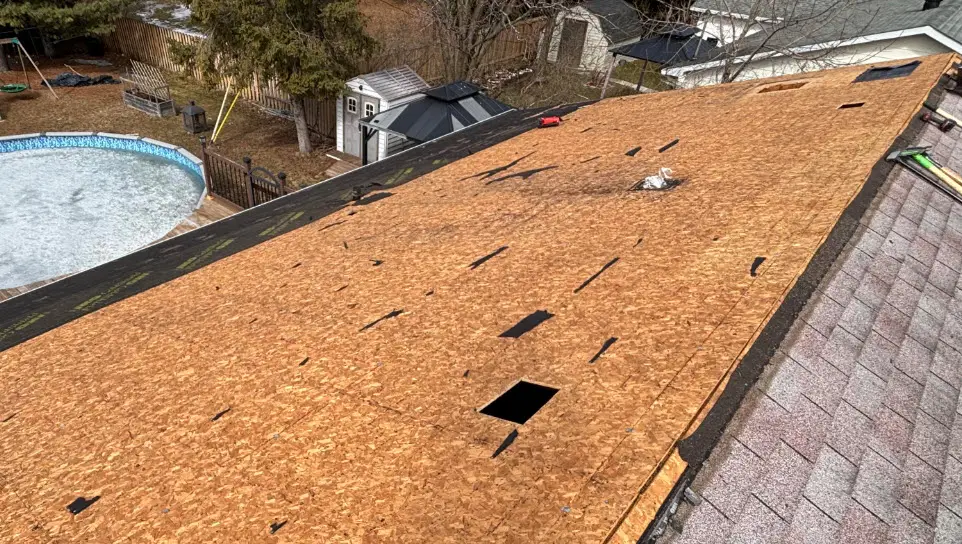
When it comes to sheet or plank decking, it is very important. When people replace a roof, contractors look closely at the roof decking for any damage. They fix any weak spots to keep the layers on top strong and secure.
What is Roof Decking?
Roof decking, known as roof sheathing, is the first layer of a roof that supports your roof. It is made from flat sheets of wood, such as oriented strand board (OSB) or plywood, depending on what is needed for the installation.
OSB decking is strong because it is made from compressed wood fibers. Plywood sheathing is flexible and comes in various thicknesses. Both materials work well for residential roofing. Some older homes may still have plank decking. This type uses thin boards instead of flat sheets.
When contractors replace roofs, they usually look at the roof decking. They may change any damaged parts. This practice helps keep the roof strong and prevents issues in the future. Checking this layer is key for making roofing that lasts a long time.
Materials Commonly Used in Roof Decking
Wooden boards, such as plywood and strand board, are the main materials used for roof decking. They are reliable and known for their strength and durability.
Synthetic materials are not as common, but they are gaining popularity in modern residential roofing. They are light and resist rot. Although they are more expensive, these materials can be a good choice for people who want a roof that lasts a long time.
It doesn’t matter if you choose wooden boards or newer synthetic ones. A good installation is very important for the strength of the entire roof.
2. Drip edge
Drip edges are metal strips that sit along the edges of your roof. They protect the weak areas from water damage. By guiding water into the gutters, they help keep the fascia boards safe. Unfortunately, this prevents the boards from rotting and highlights the issue of lack of experience in proper roofing installation.
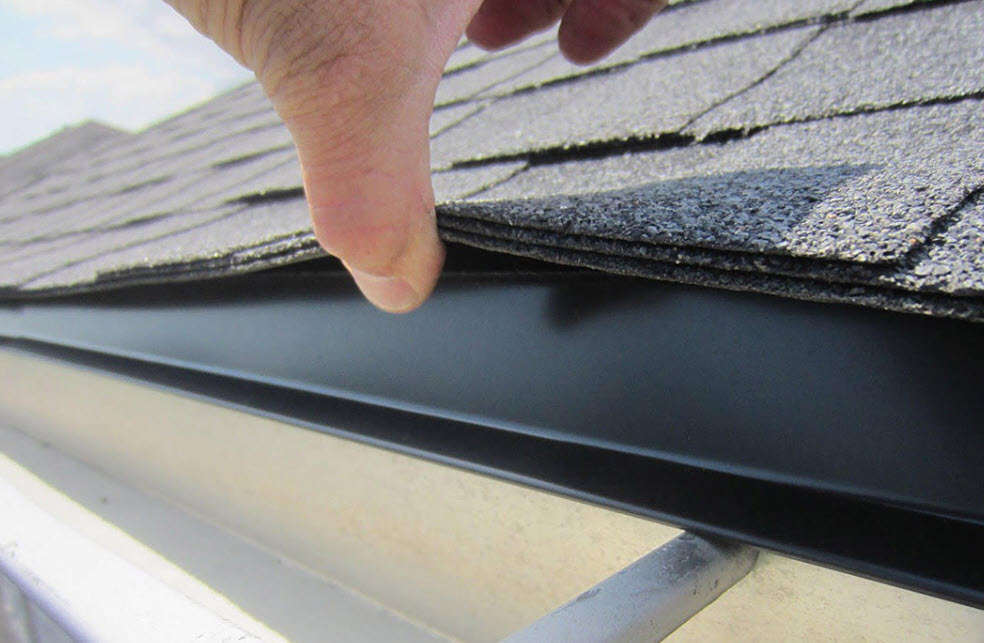
A drip edge may seem like a little detail, but it plays a big role in building codes. It’s important to install it correctly. If you miss this step, it can lead to serious damage later. This is especially true when there is heavy rain or melting snow.
Exploring Underlayment and Ice & Water Shields
Underlayment is a layer made of felt or synthetic roof underlayment material, and there are two types of underlayment to consider. It helps guard the decking against water that may seep through the roofing material. This forms a barrier that keeps everything strong and durable for a long time.
Ice and water shields are waterproof layers placed in areas that often have issues. They help keep your roof safe from leaks. While underlayment provides basic coverage, these shields give extra protection, especially in spots that experience ice dams.
Role of Underlayment in Roof Protection
Roofing underlayment plays a key role in protecting the base of the roof system. It is placed right over the decking. This helps to prevent water from getting to the lower layers.
Synthetic underlayment is very effective. It prevents water from getting through and can resist punctures during installation. Although it costs more than felt material, it is more durable and lasts longer, making it a good investment.
When you work on your roofing project, pay special attention to this layer. It has the important job of protecting vulnerable areas from unexpected leaks.
Benefits of Ice & Water Shields
Ice and water shields make your roof stronger, especially where there are problems. They help prevent leaks that can occur due to ice dams or pooled water.
A text table comparing major benefits:
| Feature | Impact |
|---|---|
| Improved water defense | Protects vulnerable locations |
| Extra durability | Longer roof lifespan |
| Required by codes | Prevents safety violations |
These shields protect your roof and help it stay strong for a long time. They provide extra protection for results that last.
5. Starter shingles

Starter shingles are very important for any roof system. You place them at the edges of the roof. This creates a strong base for the main roofing material. They help water flow properly and keep it from getting inside. These shingles often have a special glue that secures them against strong winds and ice dams. Starter shingles create a strong water shield. This offers an extra layer of protection. It helps your roof last longer and look better, which can increase its curb appeal.
6. The main roofing material
A key part of residential roofing is the roofing material. This is the top layer that makes up the bulk of the roof system. It makes the roof look nice and provides important protection. Many people choose asphalt shingles, cedar shake roofing, and architectural shingles, which offer various warranty options. These materials last a long time and can handle bad weather. They protect against strong winds and heavy rain. The right roofing material improves curb appeal and creates a good water barrier. It also gives a strong layer of protection for your home.
The Functionality of Roof Flashing
Roof flashing is crucial for keeping a roof safe. It helps direct water away from weak areas. Flashing is typically made from metal material or synthetic materials. It works as a barrier to prevent water from getting inside. This can stop significant leaks and major leaks in the building. Flashing is placed in key areas like roof valleys and around vents. It ensures that any water pooling is directed away correctly. This helps prevent ice dams and other moisture issues that can damage the whole roof system.
What is Roof Flashing?
Roof flashing is a key part of roofing systems. It helps direct water away from important areas like chimneys, valleys, and seams. This way, it prevents leaks by guiding the water away and ensuring proper drainage. In the end, it protects the structure of your home.
Types of Flashing Used in Residential Roofs
Flashing is very important for a home’s roof. There are several types of flashing. Metal flashing is often found around chimneys and skylights. It helps create a strong waterproof barrier. Rubberized flashing is flexible and is used around openings in the roof. Valley flashing guides water away from roof valleys. This helps to lessen the chance of water infiltration. Step flashing gives an extra layer of protection where walls meet the roof. It makes the joints stronger, which are usually at risk for leaks. All these types of flashing help keep the roof in good shape.
8. Ridge capping
Proper roof ridge capping is very important for a roof, especially for an architectural shingle roof. It sits at the top and serves two main purposes. First, it prevents water from seeping in. Second, it protects weak spots from strong winds. This top layer not only looks good but also helps stop ice dam leaks. Using good materials and installing them correctly is crucial. If the roof ridge capping is not done well, it can cause big leaks later. This will lead to costly repairs.
9. Roof vents
Roof vents are important for a good roof system. They help move fresh air and air, which creates a healthy space and helps roofing materials last longer. Roof vents let hot air and moisture escape, supporting an active ventilation system. This stops mold from growing and helps avoid ice dams in the winter. There are several types of roof vents, such as turbine vents and ridge vents. Each type has its own purpose. These vents make the ventilation system work better. A better system can save energy and keep the entire roof strong. This protects your home from water infiltration.
Protect Your Home with Expert Care
Making sure your roof system is in good shape means hiring skilled professionals. These experts know a lot about residential roofing. Their experience helps prevent problems like water infiltration and serious leaks. A roofing contractor will look for vulnerable areas and recommend good ventilation systems. They will ensure that important layers, like starter shingles and ridge capping, are installed the right way. This will protect your home from bad weather and improve its curb appeal.
Conclusion
In summary, the layers of a roof form an integrated system designed to enhance durability, weather resistance, and overall functionality. Understanding a roof’s layers is crucial for keeping your home safe and ensuring its longevity. Each part, such as starter shingles and the main roofing material, serves a specific purpose. These parts work together to provide a layer of protection against outside elements. Using high-quality roofing materials and ensuring proper ventilation can significantly improve how your roof functions. By receiving expert care and performing regular maintenance, you can protect your investment and preserve your home’s curb appeal for many years.
Frequently Asked Questions
What is the average lifespan of a roof system in Canada?
The average lifespan of a roof in Canada varies based on the materials used. Asphalt shingles generally last around 15 to 30 years. In comparison, metal roofs can last from 40 to 70 years. Regular maintenance and the local climate can strongly influence how long your roof system will remain functional. This upkeep helps keep your roof working well for many years.
How often should roof components be inspected or replaced?
You should look at your roof at least once every year. The best times to do this are in spring or fall. Check for damaged shingles, flashing, or vents. If you see any problems, replace them quickly to prevent leaks and damage to the building. If your roof is old, you may need to check it more often to keep it in good shape.
Call or text Precision Roofing Canada! (613) 404-7805
380 Sweet Grass Circle,
Ottawa, ON K2J 5W9
Facebook | Google Business Page | YouTube | Contact Us | Blogger | IKO Roofing Products |